How to Generate Quality Leads Through Digital Marketing
Introduction
In today's competitive online marketplace, generating quality leads is one of the biggest priorities for businesses. Whether you are a startup, a small business, or a large enterprise, attracting potential customers who are genuinely interested in your products or services is essential for sustainable growth. However, not every website visitor becomes a customer. The real challenge lies in attracting the right audience and converting them into qualified leads.
Digital marketing has completely transformed the way businesses connect with customers. Instead of relying solely on traditional advertising methods, companies now use search engines, social media platforms, email marketing, content marketing, and paid advertising to reach highly targeted audiences. When implemented correctly, digital marketing not only increases website traffic but also helps businesses generate high-quality leads that have a greater chance of converting into paying customers.
Businesses looking to improve their online visibility and generate qualified leads often invest in Digital Marketing Services to build effective marketing strategies, attract the right audience, and increase conversions.
What Are Quality Leads?
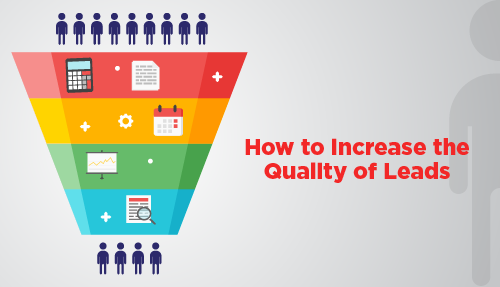
A quality lead is a potential customer who has shown genuine interest in your products or services and is more likely to make a purchase. Unlike random website visitors, quality leads already have a need, problem, or requirement that your business can solve.
A quality lead generally has:
- Interest in your products or services
- A genuine buying intention
- The ability to make purchasing decisions
- A suitable budget
- Higher conversion potential
Generating fewer but highly qualified leads is often more valuable than attracting thousands of visitors who never convert.
Why Digital Marketing Is Important for Lead Generation
Digital marketing allows businesses to connect with potential customers at every stage of the buying journey. Unlike traditional marketing, digital marketing offers measurable results, advanced audience targeting, and real-time campaign optimization.
Some major benefits include:
- Better audience targeting
- Higher return on investment (ROI)
- Cost-effective marketing
- Improved customer engagement
- Real-time performance tracking
- Increased brand visibility
With the right digital marketing strategy, businesses can consistently generate qualified leads while reducing customer acquisition costs.
Top Strategies to Generate Quality Leads Through Digital Marketing
1. Search Engine Optimization (SEO)
SEO is one of the most effective long-term strategies for attracting quality leads. When your website ranks higher on search engines like Google, users searching for relevant products or services are more likely to visit your website.
An effective SEO strategy includes:
- Keyword research
- Technical SEO optimization
- High-quality content creation
- On-page SEO
- Link building
- Local SEO optimization
Businesses that invest in professional SEO Services can improve their search engine rankings, increase organic traffic, and attract highly targeted customers actively searching for their solutions.
2. Content Marketing
Content marketing helps businesses educate potential customers while building trust and authority.
Some of the most effective content formats include:
- Blog articles
- Case studies
- eBooks
- Whitepapers
- Videos
- Infographics
- Industry guides
High-quality content answers customer questions, solves problems, and encourages users to take action. Informative content also supports SEO efforts by improving keyword rankings and increasing website traffic.
3. Social Media Marketing
Social media platforms provide businesses with excellent opportunities to reach new audiences and build meaningful customer relationships.
Popular platforms include:
- X (formerly Twitter)
- YouTube
Businesses can generate leads through:
- Educational posts
- Product promotions
- Live sessions
- Customer testimonials
- Interactive polls
- Paid social media campaigns
Consistent engagement helps build trust and keeps your brand visible to potential customers.
4. Pay-Per-Click (PPC) Advertising
PPC advertising allows businesses to generate leads quickly by displaying ads to targeted audiences.
Google Ads and social media advertising platforms allow businesses to target users based on:
- Search keywords
- Location
- Age
- Interests
- Online behavior
- Device type
Unlike organic marketing, PPC campaigns can produce immediate results when optimized properly.
5. Landing Page Optimization
A landing page is specifically designed to convert visitors into leads. Even if your marketing campaigns bring thousands of visitors, poor landing pages can reduce conversions.
An effective landing page should include:
- A clear headline
- Strong call-to-action (CTA)
- Easy-to-complete contact forms
- Customer testimonials
- Business benefits
- Trust badges
- Mobile-friendly design
Well-designed landing pages improve conversion rates and maximize lead generation efforts.
6. Email Marketing
Email marketing continues to deliver one of the highest returns on investment among digital marketing channels.
Businesses can use email campaigns to:
- Welcome new subscribers
- Share educational content
- Promote products and services
- Send special offers
- Nurture potential customers
- Encourage repeat business
Personalized email campaigns based on customer interests significantly improve engagement and conversion rates.
7. Video Marketing
Video content has become one of the fastest-growing digital marketing strategies.
Businesses can use videos for:
- Product demonstrations
- Customer success stories
- Tutorials
- Industry insights
- Company introductions
Videos capture attention quickly, improve engagement, and help customers understand products or services more effectively than text alone.
8. Marketing Automation for Efficient Lead Management
As businesses grow, manually managing leads becomes difficult and time-consuming. Marketing automation helps streamline the entire lead generation process by automating repetitive tasks and ensuring every potential customer receives timely communication.
Marketing automation can help businesses:
- Send automated welcome emails
- Schedule follow-up messages
- Segment customers based on interests
- Track customer interactions
- Score leads based on engagement
- Trigger personalized campaigns
By automating these activities, businesses can save time while ensuring that no potential customer is overlooked. Automation also allows marketing and sales teams to focus on building relationships with high-value prospects rather than spending time on repetitive administrative tasks.
9. Artificial Intelligence (AI) in Lead Generation
Artificial Intelligence has become one of the most powerful tools in digital marketing. AI helps businesses analyze customer behavior, predict purchasing intent, and improve campaign performance.
Some common applications of AI in lead generation include:
AI Chatbots
AI-powered chatbots can answer customer questions instantly, collect contact information, recommend products, and guide visitors through the buying journey. This improves user experience while capturing valuable leads 24/7.
Predictive Analytics
AI tools analyze historical customer data to identify users who are most likely to become paying customers. Businesses can then prioritize these high-quality leads and improve conversion rates.
Personalized Recommendations
AI can recommend products, services, and content based on a visitor's browsing history, interests, and previous interactions. Personalized experiences increase engagement and encourage users to take action.
Campaign Optimization
AI continuously monitors campaign performance and provides recommendations for improving targeting, ad performance, and budget allocation.
10. Lead Nurturing: Turning Prospects into Customers
Generating a lead is only the beginning. Many potential customers need additional information and time before making a purchase decision.
Lead nurturing is the process of building trust and maintaining communication until prospects are ready to buy.
Effective lead nurturing strategies include:
- Educational email campaigns
- Helpful blog content
- Free guides and resources
- Personalized product recommendations
- Regular follow-up communication
- Exclusive offers and discounts
Businesses that consistently nurture leads often experience higher conversion rates and stronger customer relationships.
11. Measuring Lead Generation Performance
Tracking performance is essential for understanding whether digital marketing efforts are producing quality leads.
Some important Key Performance Indicators (KPIs) include:
- Website traffic
- Organic search traffic
- Conversion rate
- Cost per Lead (CPL)
- Customer Acquisition Cost (CAC)
- Click-Through Rate (CTR)
- Bounce rate
- Landing page conversion rate
- Email open and click rates
- Return on Investment (ROI)
Regularly analyzing these metrics helps businesses identify successful strategies and areas that require improvement.
12. Common Mistakes That Reduce Lead Quality
Even well-planned campaigns can fail if businesses make avoidable mistakes. Understanding these common issues can help improve lead generation performance.
Targeting the Wrong Audience
Trying to reach everyone often results in poor-quality leads. Businesses should clearly define their ideal customer profile and create campaigns for that specific audience.
Ignoring SEO
Without proper SEO, potential customers may never find your website through search engines. Investing in search optimization helps generate consistent organic traffic over time.
Weak Call-to-Actions (CTAs)
Visitors should clearly understand what action to take next. Strong CTAs such as "Request a Free Consultation," "Download Our Guide," or "Contact Our Team" encourage users to convert.
Poor Mobile Experience
A large percentage of users browse websites using smartphones. Slow-loading pages, poor navigation, or non-responsive designs can significantly reduce conversions.
Not Following Up with Leads
Many businesses lose potential customers simply because they fail to respond quickly. Prompt follow-up increases the chances of turning inquiries into sales.
Future Trends in Digital Marketing Lead Generation
Digital marketing continues to evolve, and businesses that adapt to new trends will have a competitive advantage.
Key trends shaping the future include:
AI-Powered Personalization
Artificial Intelligence will deliver even more personalized experiences by analyzing customer preferences and behavior in real time.
Voice Search Optimization
As voice assistants become more popular, businesses will need to optimize content for conversational search queries.
Video-First Marketing
Short-form and interactive videos will continue to attract more engagement and generate qualified leads across multiple platforms.
Marketing Automation
Automation tools will become more advanced, enabling businesses to create highly personalized customer journeys with minimal manual effort.
First-Party Data Collection
With increasing privacy regulations, businesses will rely more on first-party data collected directly from customers to build targeted marketing campaigns.
Best Practices for Generating High-Quality Leads
To maximize digital marketing success, businesses should follow these proven practices:
- Understand your target audience thoroughly.
- Create valuable, informative content.
- Optimize your website for search engines.
- Invest in mobile-friendly website design.
- Use multiple marketing channels together.
- Continuously monitor campaign performance.
- Personalize customer communication.
- Test and optimize landing pages regularly.
- Build trust through reviews, testimonials, and case studies.
- Focus on long-term customer relationships rather than short-term sales.
These practices help create a sustainable lead generation strategy that supports long-term business growth.
Frequently Asked Questions (FAQs)
1. What is a quality lead in digital marketing?
A quality lead is a potential customer who has shown genuine interest in your products or services and has a high likelihood of becoming a paying customer.
2. Which digital marketing strategy generates the best leads?
A combination of SEO, content marketing, email marketing, social media marketing, PPC advertising, and marketing automation typically delivers the best results.
3. Why is SEO important for lead generation?
SEO improves website visibility on search engines, helping businesses attract users who are actively searching for relevant products or services.
4. Can small businesses generate quality leads through digital marketing?
Yes. Digital marketing provides cost-effective strategies that allow small businesses to compete with larger companies by targeting the right audience.
5. How long does it take to see results?
Paid advertising may generate leads within days, while SEO and content marketing usually require several months of consistent effort to produce long-term, sustainable results.
Conclusion
Generating quality leads through digital marketing is not about attracting the largest number of visitors—it's about reaching the right audience and guiding them through a meaningful customer journey. By combining SEO, content marketing, social media, email campaigns, PPC advertising, AI-powered tools, and marketing automation, businesses can create a steady pipeline of qualified prospects.
Success in lead generation requires continuous optimization, data-driven decision-making, and a deep understanding of customer needs. Businesses that regularly analyze campaign performance, improve user experience, and deliver valuable content are more likely to build trust and convert prospects into loyal customers.
As digital marketing continues to evolve with technologies such as Artificial Intelligence, automation, predictive analytics, and personalized customer experiences, companies that embrace these innovations will gain a competitive advantage. Investing in the right strategies today will not only increase lead quality but also support sustainable business growth, stronger customer relationships, and higher long-term revenue.